Most people who see this photo laugh first, and that's fair. A cold plunge isn't graceful. But the reason I'm sitting in that tub is the same reason The Calm Seas Project exists: getting outside, doing something hard alongside other people, and coming out the other side with a clearer head.
Our trips are built around fishing and diving, not lectures. Still, I think it's worth looking at what the research actually says about time outdoors and on the water, so here's an honest rundown, including where the science is still thin.
Time in nature: about two hours a week
A 2019 study in Scientific Reports looked at nearly 20,000 adults in England and found that people who spent at least 120 minutes in nature during the previous week were more likely to report good health and high wellbeing than people who spent none. It didn't matter whether those two hours came in one long trip or several short ones, and the benefits leveled off somewhere around 200 to 300 minutes a week. The authors are clear that it's an observational study, so it shows a link, not proof of cause.
For a lot of veterans and first responders, two hours outside a week sounds easy until you look at a real schedule. That's part of why we make our trips a full weekend.
Why the water matters
Researchers have a term for coastal and freshwater settings: "blue space." A 2020 systematic review in Health Promotion International looked at 33 studies of structured programs built around outdoor water, things like surfing, sailing, and paddling. Overall, the studies suggested these programs can benefit mental health and psychosocial wellbeing, with some evidence of stronger social connection during and after. The results were mixed across studies, and there was little evidence for physical health, so the authors called for more rigorous research.
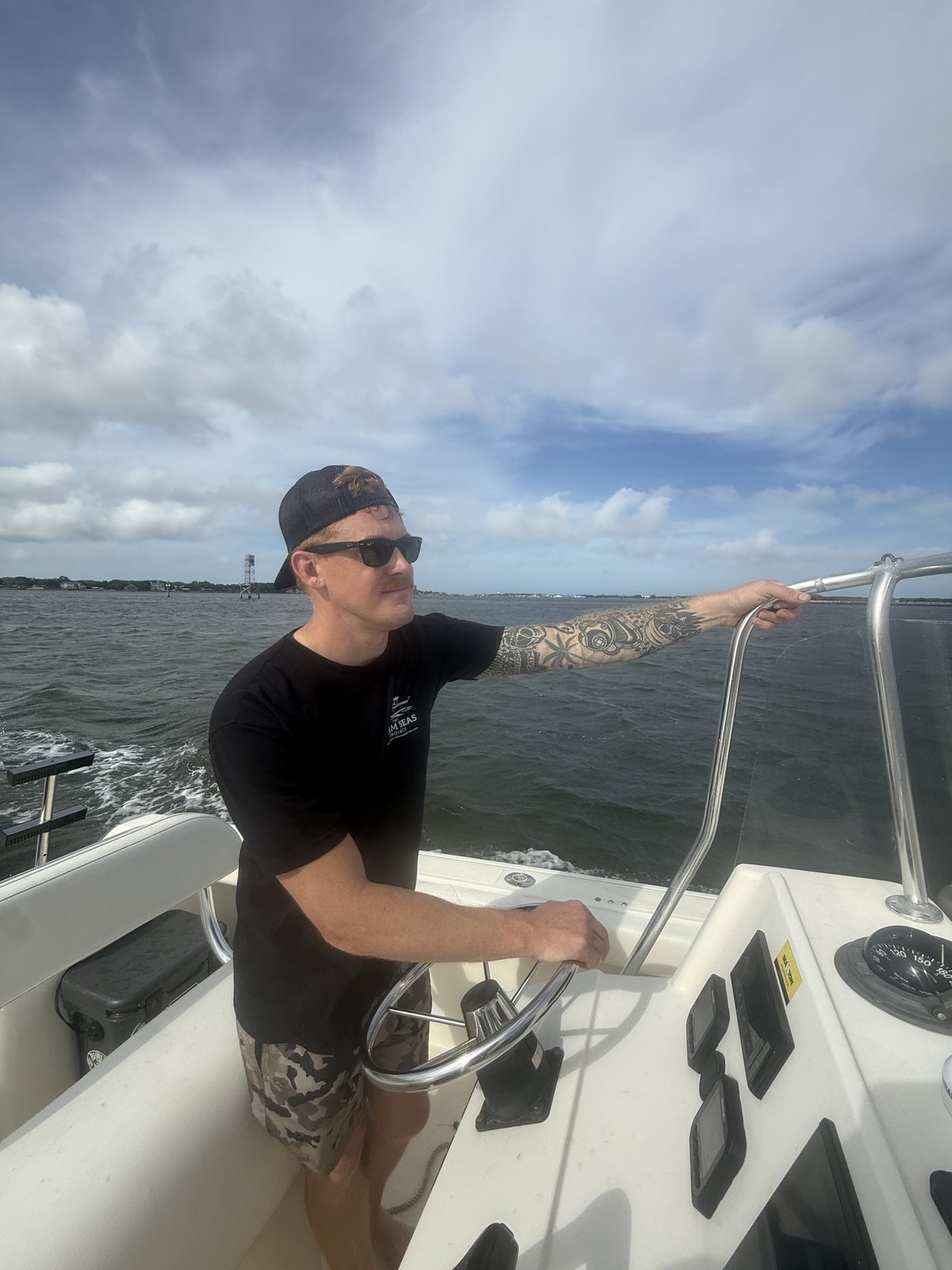
That lines up with what we see on a boat. The fishing gives everyone something to do with their hands, and the conversations tend to happen on their own.
About that cold plunge
Cold water immersion has a lot of hype around it, so I want to be straight about it. A 2022 review in the International Journal of Circumpolar Health looked at 104 studies and found real physiological effects, but most studies were small, and the authors concluded the health benefits remain "a subject of debate." Mental health was one of the areas they said deserves more research.
So I don't do it because a study promised me anything. I do it because it's a few uncomfortable minutes I choose on purpose, usually with other people cheering or laughing nearby. If you want to try it, check with your doctor first, especially if you have heart or blood pressure concerns, and never do it alone.
What this means for The Calm Seas Project
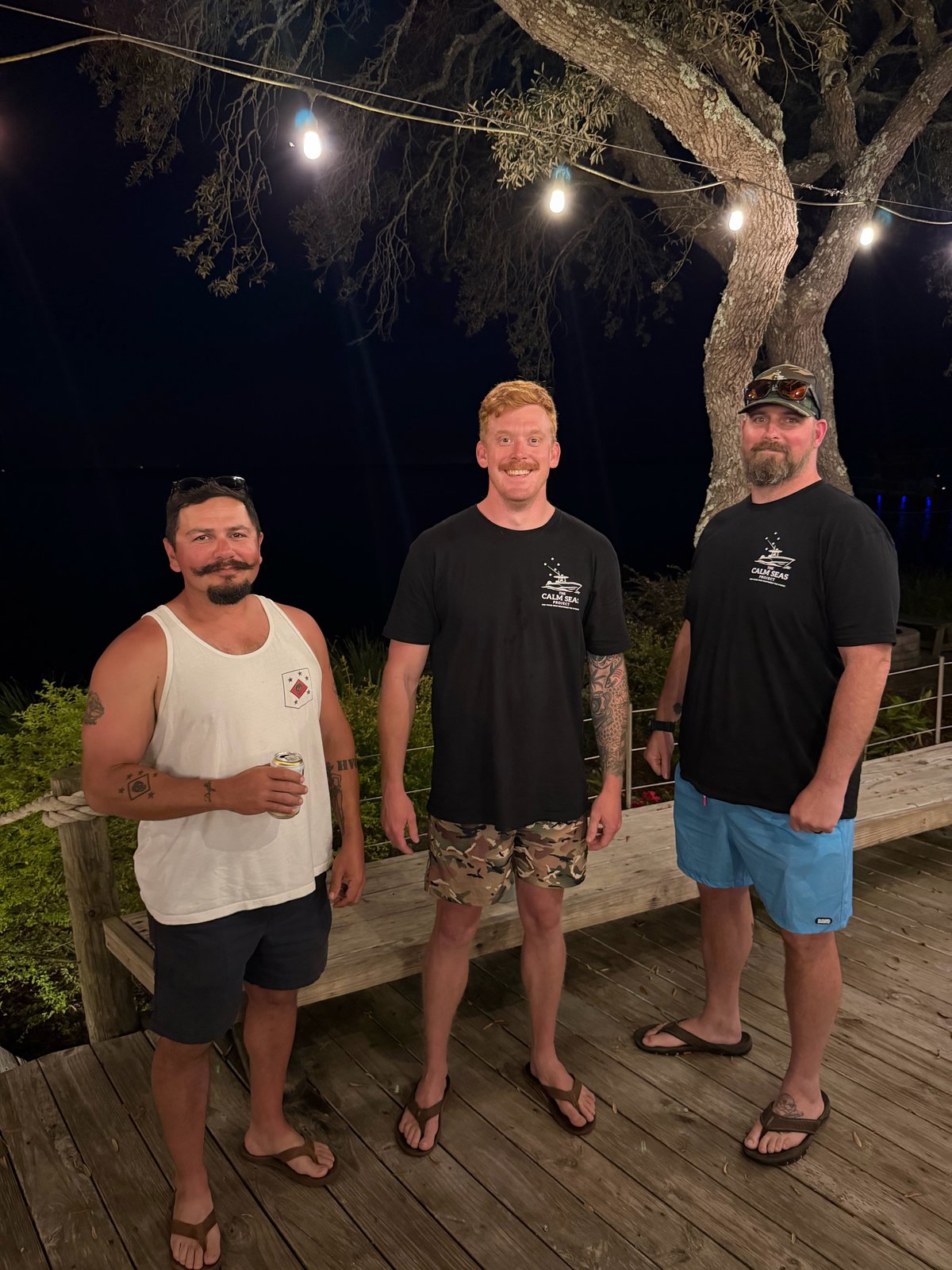
The Calm Seas Project offers all-expenses-paid fishing and diving trips for veterans and first responders facing PTSD and mental health struggles. It started as an idea among friends on a fishing trip, and in our first four months we raised more than $40,000. Our next trip is a veterans fishing weekend in Jacksonville on November 6–8, 2026, with eight military veterans.
None of this replaces professional care. Time outside is one tool, and the people around you are another. If you or someone you know is in crisis, contact the Veterans Crisis Line: dial 988 and press 1, or text 838255. It's free, confidential, and available 24/7.
If you want to help put more veterans and first responders on the water, visit calmseasproject.org or follow @calmseasproject on Instagram and Facebook.
Sources: White et al., Scientific Reports (2019); Britton et al., Health Promotion International (2020); Esperland et al., International Journal of Circumpolar Health (2022); Veterans Crisis Line; The Calm Seas Project