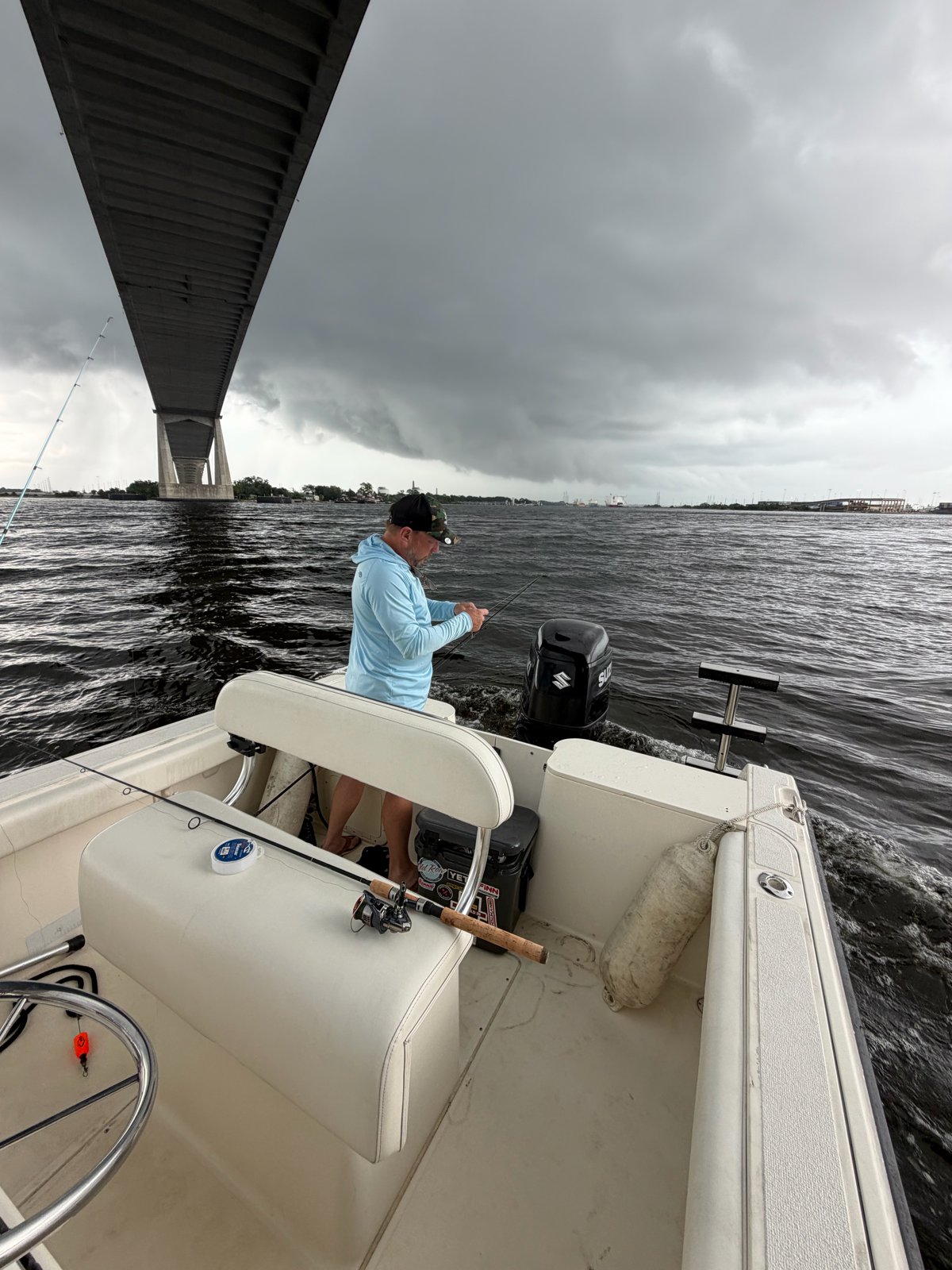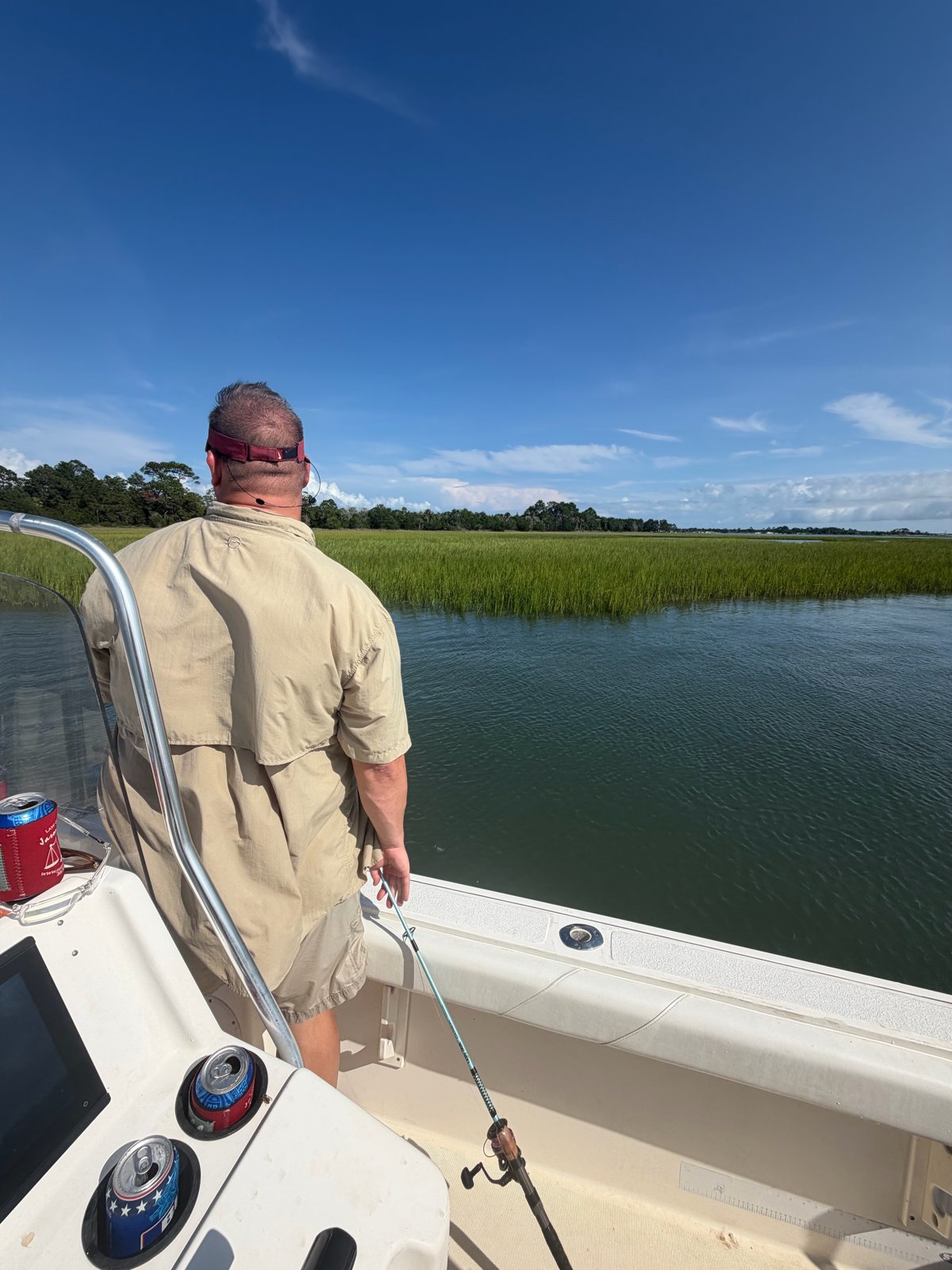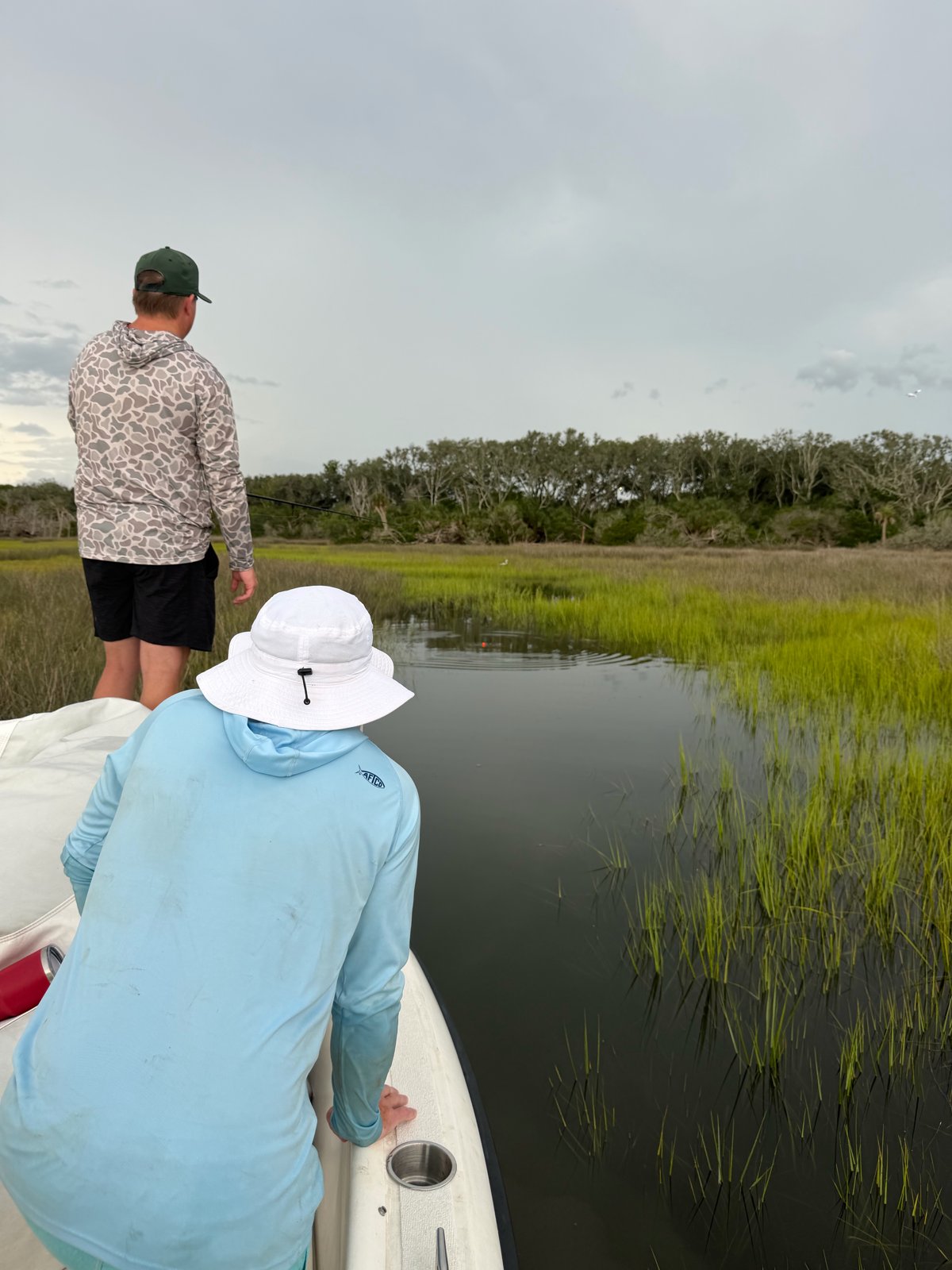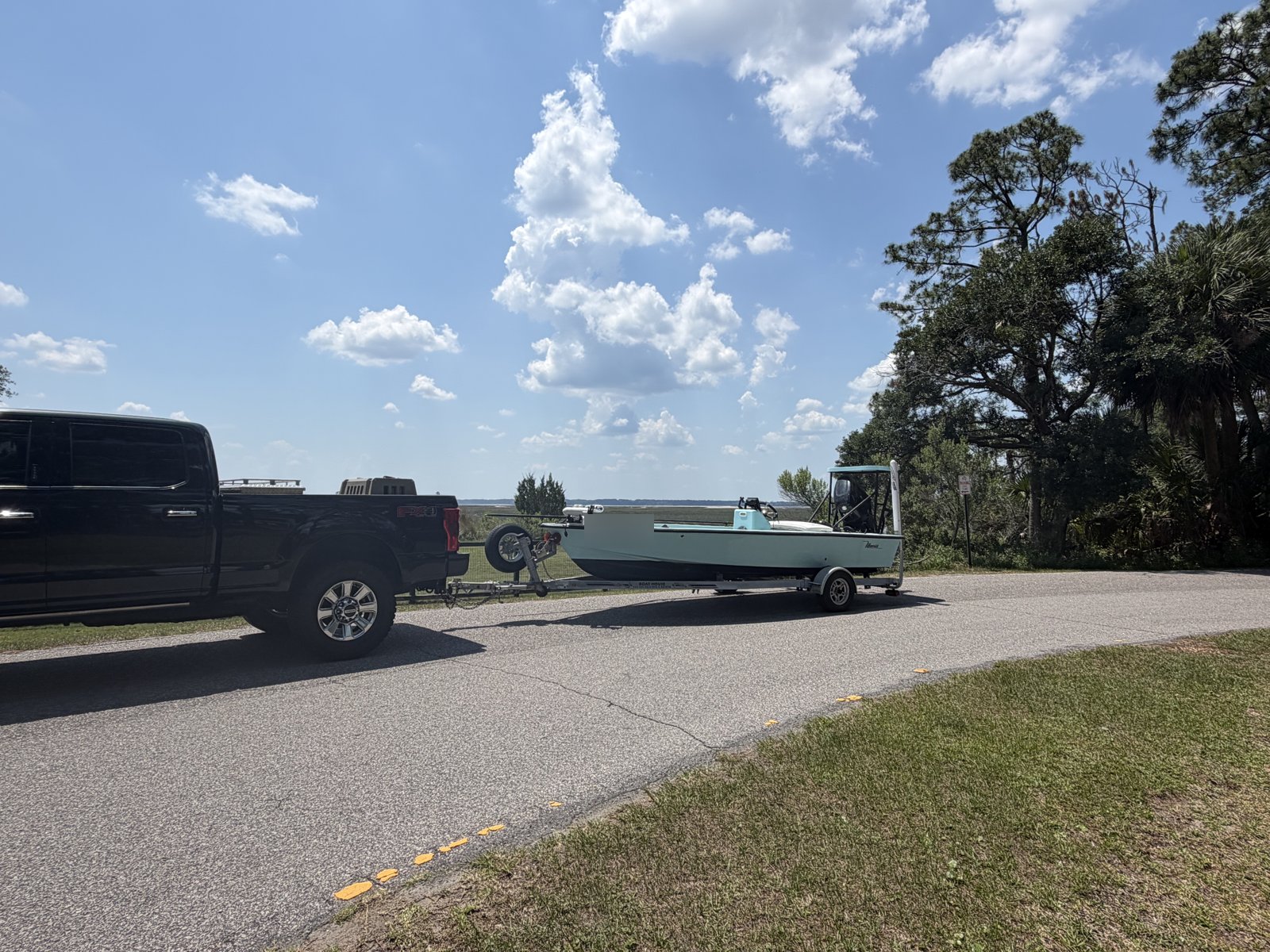
Every good day on the First Coast starts at the ramp. Jacksonville has more public launch sites than most people realize, spread from the Mayport inlet to the marsh off Heckscher Drive, the Intracoastal at the beaches, and miles up the St. Johns River. Here's a practical guide to where the public ramps are, a timely closure to know about, and the ramp habits and Florida rules that make launch day go smoothly.
Start with the official lists
The City of Jacksonville's JaxParks water access page lists the city's public launch sites for motorized and non-motorized boats, along with separate kayak-only launches and fishing piers. Statewide, the FWC's Florida Public Boat Ramp Finder has descriptions, maps, and photos for hundreds of public ramps. FWC notes that most of the ramps it maintains are free and open 24 hours a day, but closures are not reported in real time, so it suggests checking with local authorities before heading to a ramp you don't know (FWC).
For Northeast Florida specifically, FWC's Boating and Angling Guide to Nassau and Duval Counties has a ramp-by-ramp table showing the number of ramps and lanes, whether the ramp is paved, and whether there's a fee, docks, or restrooms. It's one of the most useful planning tools for Jacksonville boaters.
Near the inlet and the marsh
If you're fishing the mouth of the St. Johns, the jetties, or the marsh creeks north of the river, these are the city-listed ramps closest to the action:
- Mayport (Michael B. Scanlon) Boat Ramp, 4870 Ocean St. FWC's guide lists it at 2 ramps and 6 lanes, paved, with no ramp fee, docks, and restrooms.
- Sisters Creek / Jim King Park, 8203 Heckscher Dr., and Joe Carlucci Sisters Creek Park, 8414 Heritage River Rd., both off Heckscher Drive along Sisters Creek.
- Palms Fish Camp, 6359 Heckscher Dr., and Alimacani, 11080 Heckscher Dr. FWC's guide lists Alimacani as unpaved, so it's better suited to small boats.
- Big Talbot Island State Park and Cedar Point (National Park Service) for the backwaters farther north. FWC's guide shows a ramp fee at Big Talbot.
The Intracoastal at the beaches
For the ICW, the city lists McCue Park and Boat Ramp at 2510 2nd Ave. N., which FWC's guide shows with 4 lanes, and the Pottsburg Creek / Beach Boulevard ramp at 8540 Beach Blvd. If you're running the ICW toward Mayport or the marsh, it's worth reading my tides post first, because the current through there can be strong.
Up the St. Johns River
Upriver, the city's list includes Arlington Road (5103 Arlington Rd.), Arlington Lions Club Park (4322 Richard D. Gatlin Rd.), Wayne B. Stevens (4555 Ortega Farms Blvd.), Tommy Hazouri Sr. (Mandarin) Park (14780 Mandarin Rd.), and Goodbys / John T. Lowe (9021 San Jose Blvd.). On the north side of the river, there's Bert Maxwell (680 Broward Rd.). FWC's guide lists Bert Maxwell with 4 lanes and Wayne B. Stevens with 2 ramps and 4 lanes, which helps on a busy weekend morning.
Heads up: St. Johns Marina ramp is closed
If you've been launching downtown at the St. Johns Marina ramp at 901 Museum Circle, plan around it. According to the City of Jacksonville, the ramp has a planned closure from August 1, 2026, to summer 2028 during construction of an adjacent development, with significant improvements to the ramp facility planned during that time. The city says the next closest ramps are Arlington Road and Arlington Lions Club.
The city also notes its marina and floating dock rule: docking is allowed up to 72 hours anywhere not marked with specific signage.
Ramp etiquette that keeps the line moving
A busy ramp on a Saturday morning can be stressful, especially for newer boaters. FWC's tips for beginner boaters boil it down to a few habits:
- Do your prep away from the ramp, before you back down and before you pull out for the drive home. Leave the safety chain on until you launch, and put it back on as soon as the boat is winched up.
- Two people make it easier: one drives the tow vehicle, one runs the boat.
- Once the boat is off the trailer, move it out of the launch lane so others can use it.
- When you come in, make sure your tow vehicle is at the ramp and ready before you pull the boat into the lane.
- Don't power load. FWC says using the motor to drive the boat onto the trailer can damage the ramp and cause problems for other boaters.
- If you're launching a kayak or paddleboard without a trailer, don't park in a trailer space.
A few more simple checks help too: check the drain plug before the boat touches the water, walk around the trailer to confirm the lights work and the straps are off, and give the folks who are still learning some grace. Everybody had a first day at the ramp.
Florida rules before you launch
Boater education. Anyone born on or after January 1, 1988, who operates a boat with an engine of 10 horsepower or more in Florida must complete an approved boating safety course and get a Florida Boating Safety Education ID Card, which doesn't expire (FWC). FWC's boating regulations say to carry that card and a photo ID aboard.
Registration. Motorized vessels must be registered through your local tax collector's office, and the Certificate of Registration has to be on board whenever the boat is operated (FWC). On the trailer side, Florida's registration requirements for trailers are set out in Chapter 320, Florida Statutes (FLHSMV), and FLHSMV notes that trailers weighing less than 2,000 pounds are exempt from titling (FLHSMV).
Safety gear. FWC requires a wearable USCG-approved life jacket for each person aboard, a throwable device on boats 16 feet or longer, and a sound-producing device such as a whistle, plus fire extinguishers and visual distress signals depending on the boat. Children under 6 must wear a life jacket while underway on a vessel under 26 feet (FWC). FWC's safety equipment page has the full list.
Weather and a float plan. FWC recommends leaving a float plan with someone onshore and checking the marine forecast before and during your trip; it points boaters to the National Weather Service marine forecasts (FWC).
See you at the ramp
Getting people from the parking lot to the water is a big part of what The Calm Seas Project does for veterans and first responders. Our veterans fishing weekend in Jacksonville is coming up November 6 to 8. Before you keep any fish, check the current FWC saltwater regulations, and see my fall fishing post for this season's rules. Ramp details change, so confirm with the city or FWC before you go.
Sources: City of Jacksonville: Water Access · FWC: Duval County public boat ramps · FWC: Boat Ramps and Access · FWC: Boat Ramp Finder · FWC: Tips for beginner boaters · FWC: Boating Safety Education ID Card · FWC: Boating Regulations · FWC: Safety Equipment · FLHSMV: Liens and Titles · FLHSMV: Trailers (RS-63) · NWS: Marine Forecasts