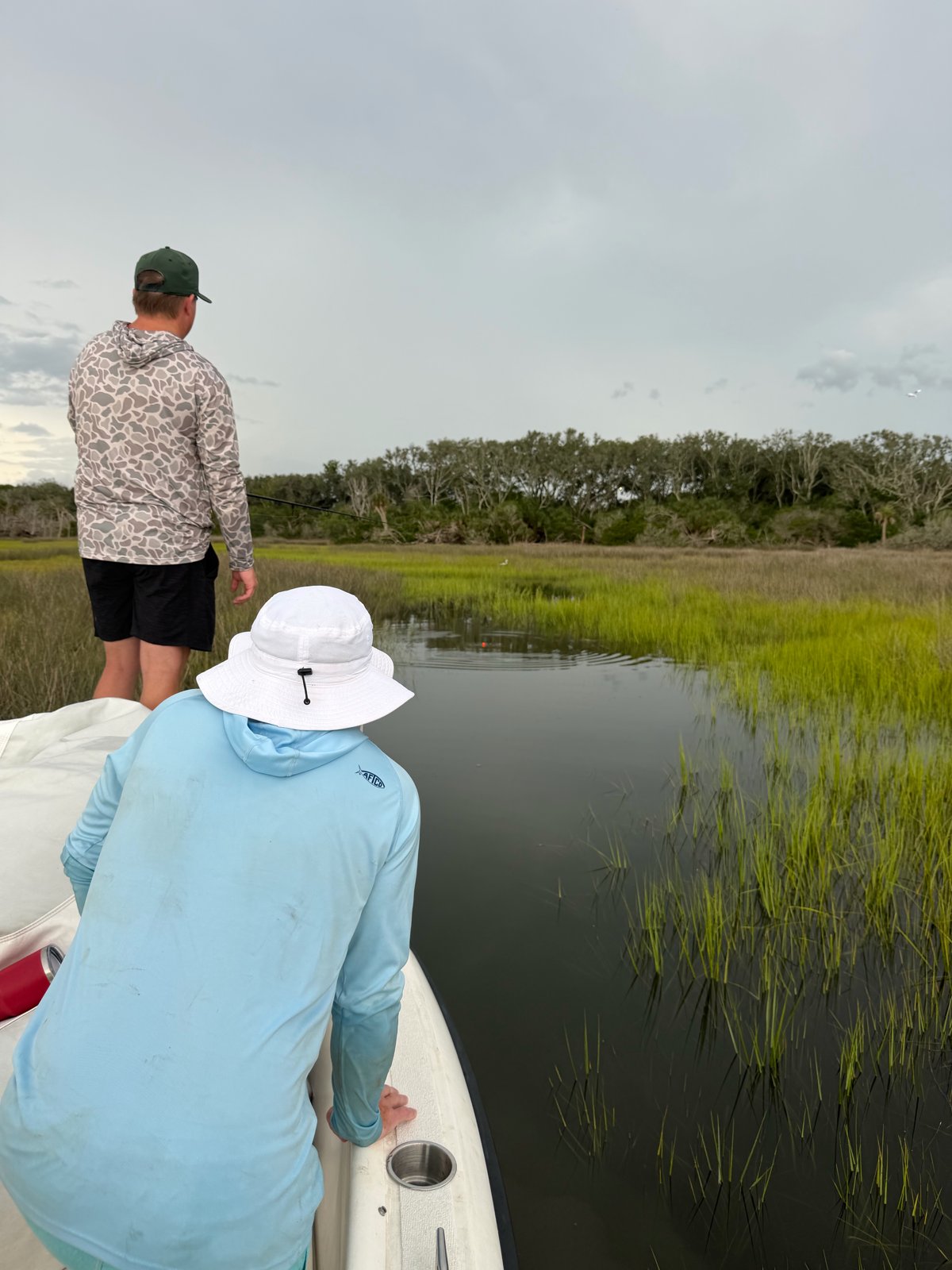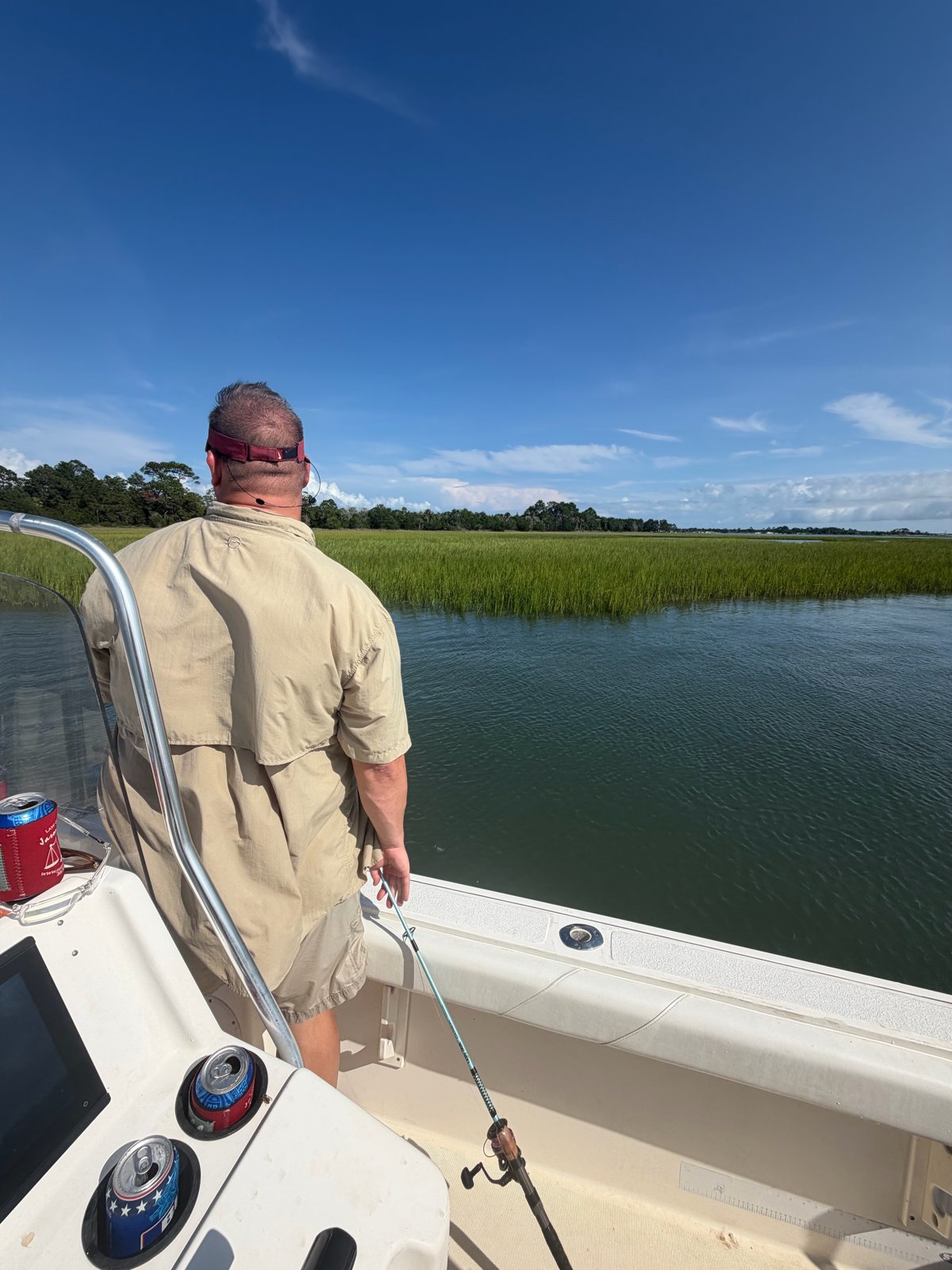
When the water cools down on the First Coast, one of my favorite fish to chase is the sheepshead. They're stubborn, they're tricky to hook, and they're some of the best eating fish in Northeast Florida. Here's how I think about them and the rules to know.
Fish the structure
Sheepshead live on structure. Around Jacksonville that means dock pilings, bridge pilings, seawalls, and the rocks at the jetties. They use their teeth to crunch barnacles and crustaceans off hard surfaces, so anywhere covered in growth is worth a look. Get your bait tight to the structure and be ready to lose some rigs.
Bait and technique
Fiddler crabs and shrimp are local favorites. FWC also points out a classic trick: you can scrape barnacles off bridge pilings and let them sink to draw sheepshead in. Barnacles have no size or specified bag limit, and you can harvest up to 100 pounds per person per day with a recreational saltwater license. Just don't scrape barnacles off private docks or structures without the owner's permission (FWC). Oysters are a different story, with closed seasons and harvest-area rules, so don't use them as chum.
The bite is light. Use a small, strong hook and a short leader, keep slack out of your line, and set the hook at the first hint of weight.
FWC sheepshead rules
According to the FWC, sheepshead in Florida's Atlantic and Gulf state waters are open year-round with a 12-inch minimum total length and a daily bag limit of 8 per person. During March and April there's a vessel limit of 50 per trip. Legal gear includes hook and line, cast net, seine, spear, or gig. Snatching is prohibited, and so is using multiple hooks with live or dead natural bait.
Other rules worth knowing this season
If a redfish or trout grabs your bait at the docks instead, Northeast region rules are a redfish slot of 18 to 27 inches with 1 per person and 4 per vessel, and a spotted seatrout slot of 15 to 19 inches with 3 per person and no over-slot fish. Flounder harvest is closed October 15 through November 30, as I covered in my fall fishing post.
Always double-check current FWC regulations before you keep a fish, since they can change. See you on the water.
Sources: FWC: Sheepshead · FWC: Red Drum · FWC: Spotted Seatrout