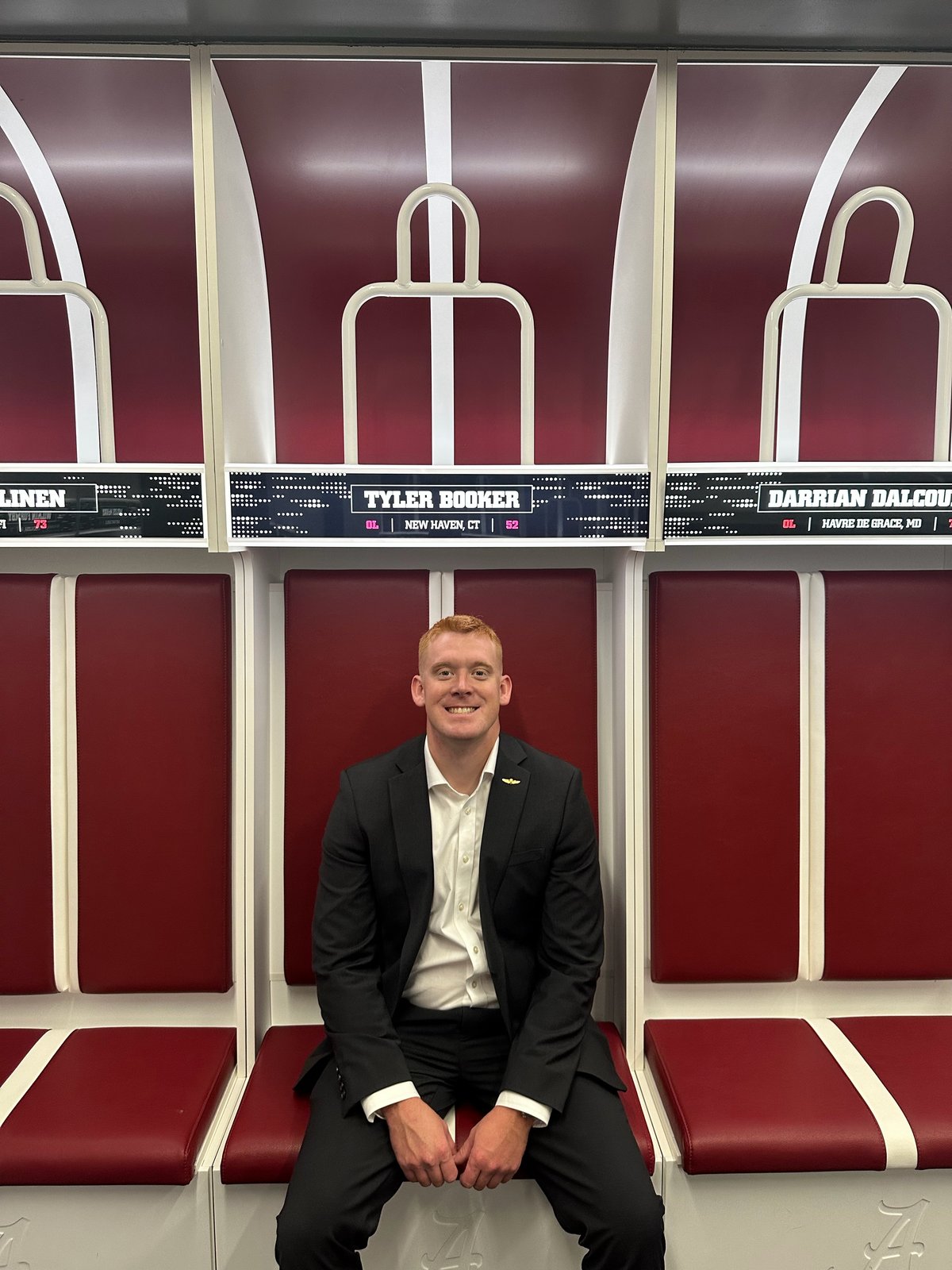
When I got out of the Marine Corps, I went to the University of Alabama in Tuscaloosa. I earned a degree in operations management with a minor in supply chain management, and then went on to complete an accelerated master's in operations management. Going from the Corps to a college campus is a big shift. This is the first post in my Veteran Transition series, and I want to start with what I'd tell any Marine or veteran heading to school: use every benefit you've earned, and start building your resume on day one.
Why operations management is a great fit for veterans
If you're deciding what to study, I think operations management is an outstanding degree for veterans. It translates what you learned in the military directly into the classroom. The planning, logistics, organization, and leadership you practiced in uniform show up in the coursework, so you're building on experience you already have instead of starting from scratch.
Build your resume while you're in school
The biggest lesson I took from college is that your degree is only part of what gets you hired. Internships and student worker programs can be just as valuable as your time in class when it comes to landing a job after graduation. They give you real experience to talk about in interviews, people who can vouch for your work, and a feel for which careers fit you. Check your school's career center early and look for internships and on-campus jobs from your first semester.
The Post-9/11 GI Bill (Chapter 33)
For most of us who served after 9/11, this is the foundation. According to VA, if you qualify for the maximum benefit it covers the full cost of public, in-state tuition and fees. Rates for private schools are capped and updated each year. It also pays a monthly housing allowance if you're in school more than half time, based on the cost of living where your school is, plus a stipend for books and supplies each school year. A couple of things to know: the housing allowance isn't paid during breaks between terms, so plan ahead for those months, and you have to verify your enrollment every month to keep getting it. If your service ended on or after January 1, 2013, your benefits don't expire.
Veteran Readiness and Employment (Chapter 31)
If you have a service-connected disability that limits your ability to work, look into Veteran Readiness and Employment, formerly called Vocational Rehabilitation and Employment, or VR&E. VA says it can help you explore employment options, address education or training needs, learn new skills, find a job, or start a business. It's worth a conversation with VA to see if you qualify.
Pell Grants through the FAFSA
A lot of veterans don't realize they can still qualify for federal student aid on top of the GI Bill. Fill out the FAFSA every year. Under federal rules, VA education benefits aren't counted against your other federal aid (Federal Student Aid guidance), so a Pell Grant can stack with your GI Bill. VA's own FAFSA guide warns against a common mistake: don't list your VA education benefits as income on the FAFSA, because it can reduce your need-based aid. For the 2026–27 award year, the maximum Pell Grant is $7,395, according to the Department of Education. Pell is generally for undergraduates, and your award depends on your finances and enrollment.
VA Work-Study
The VA Work Study Program pays you to work part time while you study, and it fits right in with building your resume. You need to be enrolled at least 75% and using an approved VA education benefit, such as the Post-9/11 GI Bill or VR&E. The work has to be related to VA and veterans, for example at your school's veterans office, a VA facility, or a Veterans Service Organization. VA pays the federal or state minimum wage, whichever is higher. You apply with VA Form 22-8691.
My advice
Use the benefits you earned, file the FAFSA, and treat internships and student jobs as part of your education, not an extra. The skills you bring from the Marine Corps, like discipline, leadership, and working under pressure, carry over. Pair them with real experience during school and you'll be in a strong position when you graduate. Benefit rules change, so always confirm the details with VA and your school's financial aid and veterans services offices.