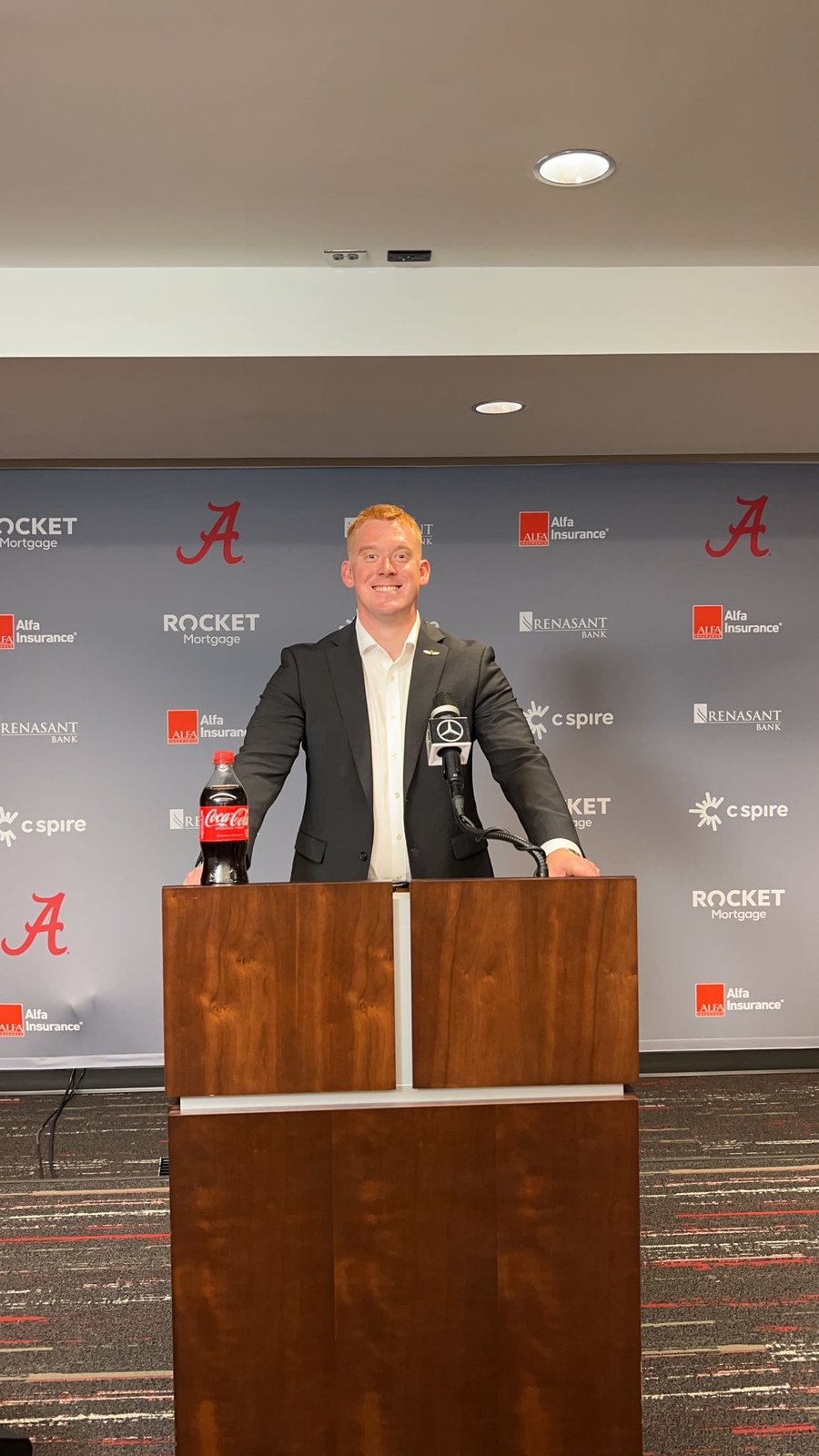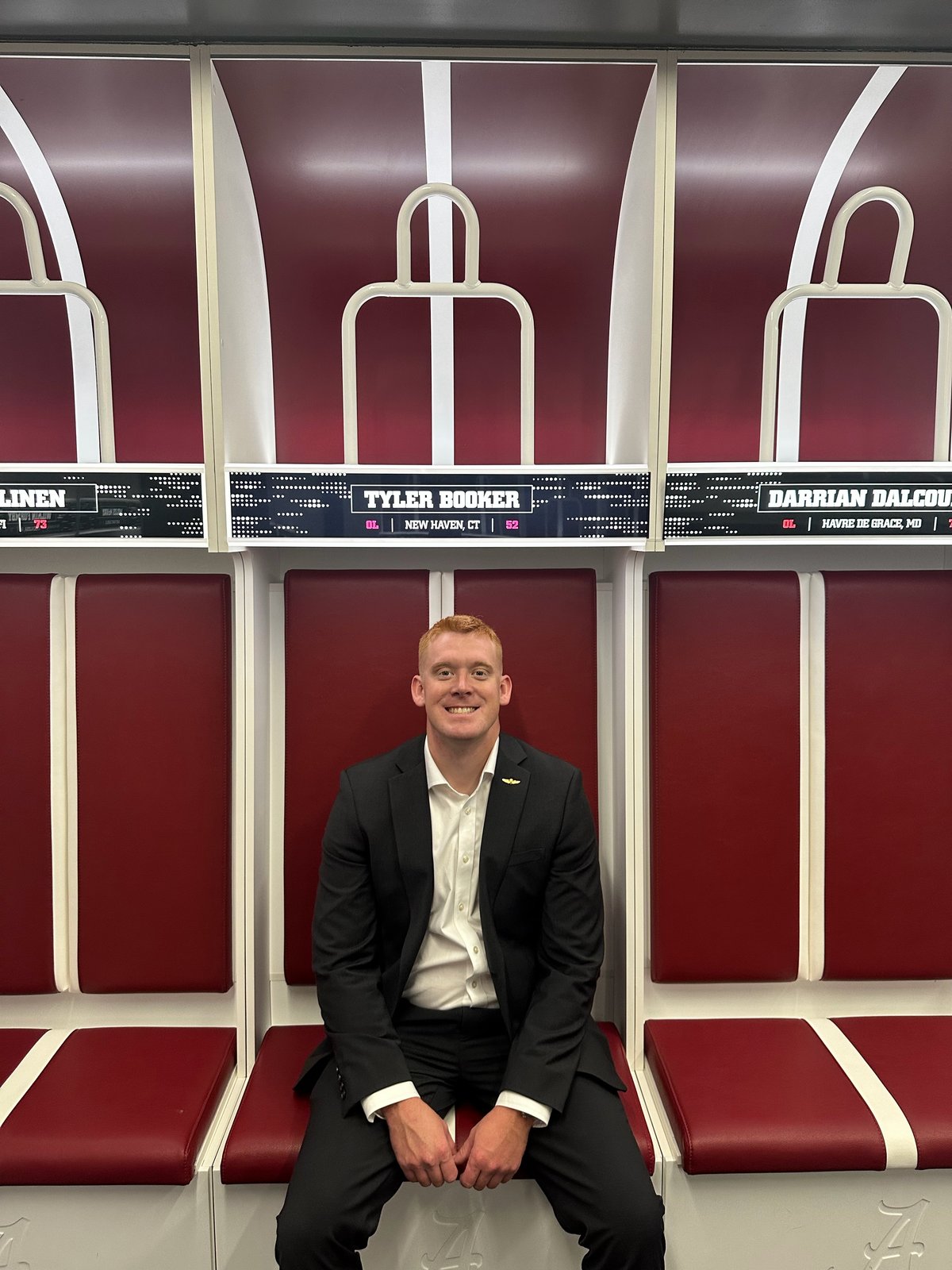
I did not use SkillBridge when I got out of the Marine Corps. After the Marine Corps, I enrolled at the University of Alabama, earned a degree in operations management with a minor in supply chain management, and then finished an accelerated master's in operations management. That path worked for me. If you are still in uniform—or you are helping a junior Marine get ready to leave—SkillBridge is one of the strongest tools available in the last stretch of active duty, and it is worth understanding before you plan your EAS.
What SkillBridge is
DoD SkillBridge lets service members with 180 days or fewer remaining before discharge train with an authorized industry partner—job training, an internship, or an apprenticeship—while they are still on active duty. You keep your military pay and benefits for the approved period. The official program site is skillbridge.mil, where you can browse opportunities and partners. Authority for the program sits under 10 U.S.C. § 1143(e), and DoDI 1322.29 covers job training, employment skills, apprenticeships, and internships.
SkillBridge is not an entitlement. It needs command approval, and readiness comes first. If your package is denied, that is not a reflection on your service—it is a command decision about mission and timing.
Marine Corps rules to know
For Marines, start with NAVMC 1700.2B (SkillBridge Employment Training Program) and the interim guidance in MARADMIN 280/24. Broad eligibility includes completing at least 180 days of active duty; separating or retiring with an honorable or general under honorable characterization; enough contract time left to finish the opportunity before EAS; Transition Readiness Seminar requirements; ethics brief or training within 12 months of the start date; and command approval. You stay assigned to your parent command—no replacement until EAS—and the first commanding officer with court-martial convening authority has final approval on the package.
MARADMIN 280/24 also set a three-category max duration by rank (effective 31 August 2024 for new packages). In plain terms: junior enlisted generally get the longest window—up to 120 days before EAS—while more senior ranks are capped lower, typically up to 90 days, with approval levels that get stricter as rank goes up. Combined PTAD or leave with SkillBridge has to stay inside those category limits. Marines can start an application in NCMIS up to 365 days from EAS. Policies change, so confirm current unit and M&RA guidance, talk to your installation SkillBridge coordinator, and check skillbridge.mil and usmc-mccs.org for local centers before you lock in a plan.
How I would use it if I were still in
Treat SkillBridge like a short, focused internship with your paycheck still coming from the Corps. Look for partners whose day-to-day work matches the career you want—not just a big brand name. Ask what success looks like in 60 or 90 days, who you will report to, and whether the company has hired SkillBridge participants before. Start the conversation early so your package can move through your chain without last-minute friction.
If SkillBridge is not available or not a fit, you still have a strong path. Mine was college first: use your education benefits, then stack internships and student worker programs while you are in school. That combination—operations management coursework plus real work experience—did more for my resume than any single class. SkillBridge is one way to get civilian experience before you hang up the uniform. College and internships are how you keep building after you are out.
My advice
If you have under a year to EAS, open skillbridge.mil this week, talk to your career planner or SkillBridge coordinator, and read the current Marine Corps message traffic—not a rumor in the smoke pit. Bring your command a clean package with a clear timeline. And if you are already out, or SkillBridge was not an option for you, do what I did next: get into school, use every benefit you earned, and treat internships as part of the mission. Transition is a series of decisions. Make the ones you still control count.
Sources: DoD SkillBridge · MARADMIN 280/24 · 10 U.S.C. § 1143