Two weeks from today, seven veterans from every branch arrive in Jacksonville for The Calm Seas Project's Veteran Wellness Retreat, November 6 to 8, 2026. Most people hear "veterans fishing weekend" and picture rods and coolers, and there will be plenty of both. But one of the simplest things on our schedule is also one I get asked about the most: breathwork.
Why breathing is on the schedule
In the Marine Corps you learn quickly that your breath is tied to everything else: your heart rate, your focus, how steady your hands are. Out of uniform, a lot of us forget that lesson and spend our days running hot. The VA's own Whole Health program puts it plainly: when breathing becomes shallow and fast, the nervous system shifts toward "fight or flight" instead of "rest and digest," and slow, relaxed breathing can help the body and mind calm down, help with stress, and help with sleep.
That's the whole idea behind our breathwork session. No special gear, no experience needed, nothing you have to believe in. Just a few minutes of slowing down with people who've been where you've been.
What the research says
This isn't just a feel-good add-on. Researchers have studied breathing-based practices with veterans specifically:
- A 2014 randomized study in the Journal of Traumatic Stress assigned 21 Iraq and Afghanistan veterans either to a breathing-based meditation program (Sudarshan Kriya yoga) or to a waitlist. The breathing group showed reductions in PTSD symptoms, anxiety, and respiration rate, and the researchers followed up a month and a year later.
- A 2022 trial in BMJ Open, run at a VA outpatient center with 85 veterans, compared the same breathing practice with cognitive processing therapy, a standard first-line PTSD treatment. The breathing program was found to be non-inferior for PTSD symptoms at the end of treatment, one month, and one year, and the authors said it merits further consideration.
Those are small studies, and the researchers are careful about what they claim, so I will be too. Breathwork is not a replacement for real care. What it is: a free tool you can carry anywhere, backed by enough evidence that the VA teaches it.
What it looks like in Jacksonville
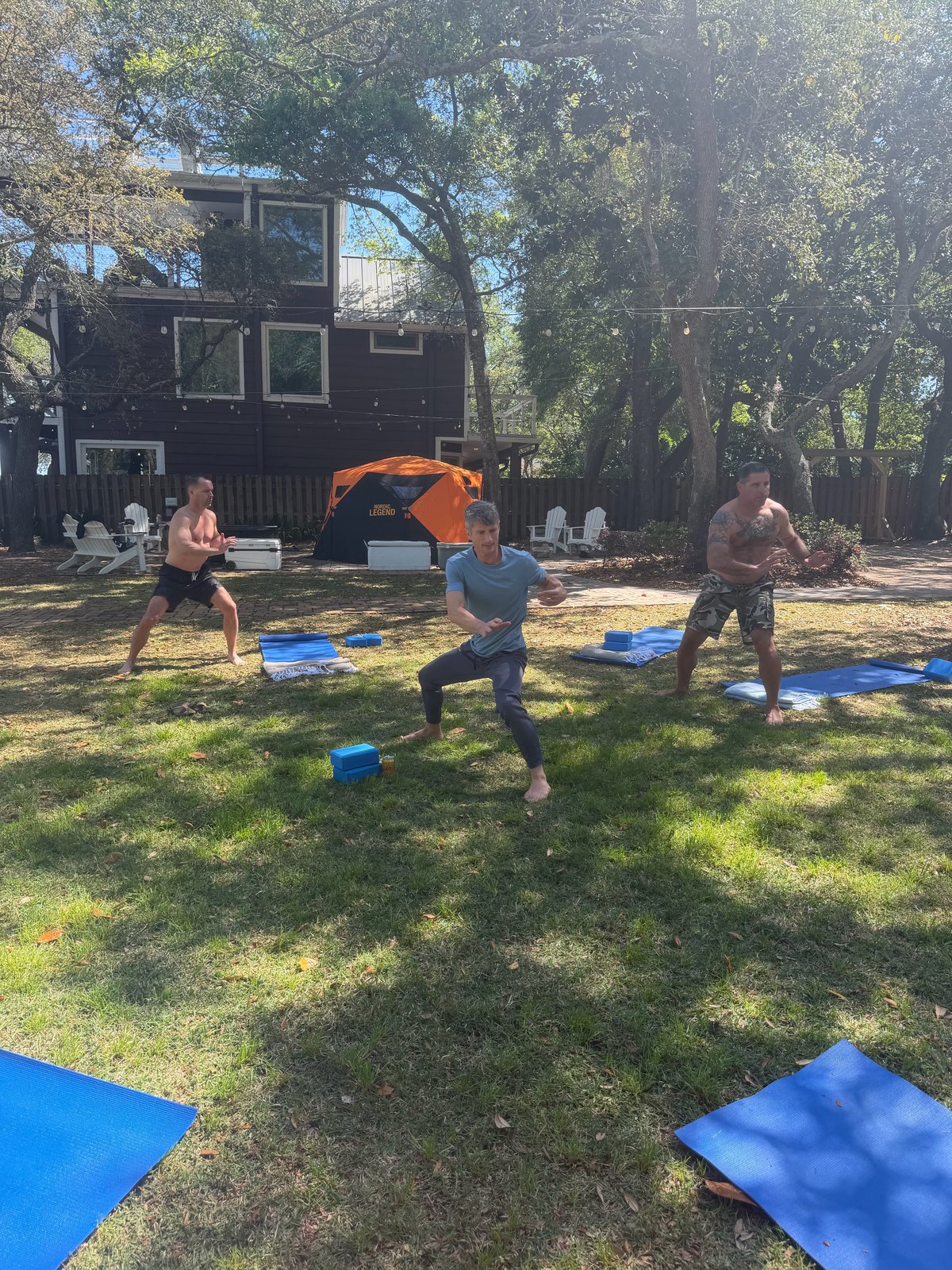
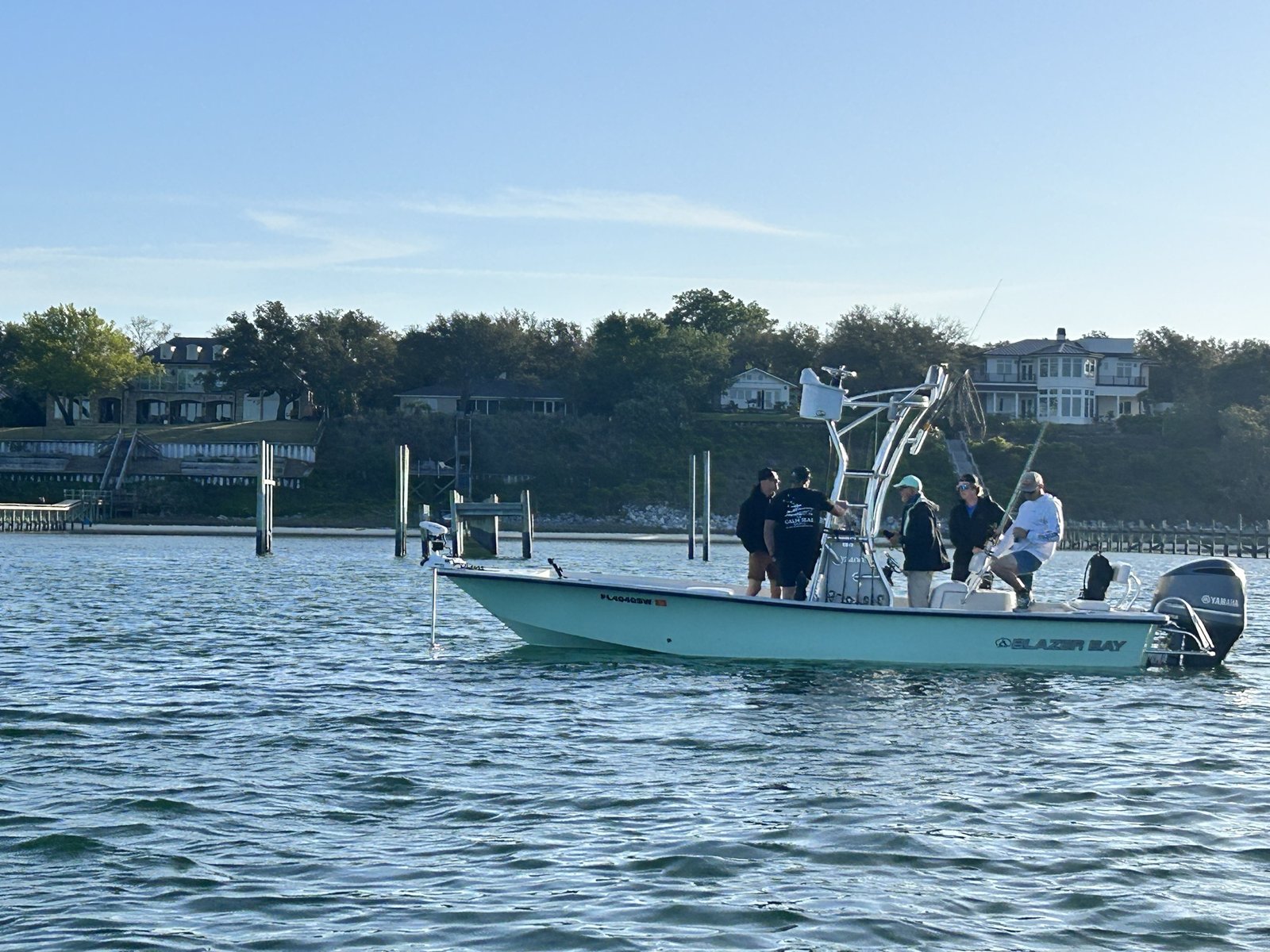
The retreat weekend pairs guided charter fishing with a sound bath and breathwork, group meals, and a virtual wellness session. The breathwork is short and easy. If you've never done it, the VA's starting point is a good one: sit or lie down, put one hand on your belly and one on your chest, and breathe slowly enough that the belly hand moves more. Try breathing in for a count of two and out for a count of three, and adjust until it feels comfortable. Five to ten minutes is plenty to start.
Then we get back on the water, which is its own kind of breathing room.
How you can help
The Calm Seas Project raised more than $40,000 in its first four months, and that support is what puts veterans and first responders on the water. If you want to support the Jacksonville retreat, or point a veteran our way, start at calmseasproject.org and follow along on Instagram and Facebook at calmseasproject.
If you or a veteran you know is struggling right now, don't wait for a trip. Call or text 988 and press 1 to reach the Veterans Crisis Line, any time, day or night.
Sources: Seppälä et al., Journal of Traumatic Stress (2014) · Bayley et al., BMJ Open (2022) · VA Whole Health, "Breathing and Health" · VA Whole Health Library: Breathing · Veterans Crisis Line · The Calm Seas Project